
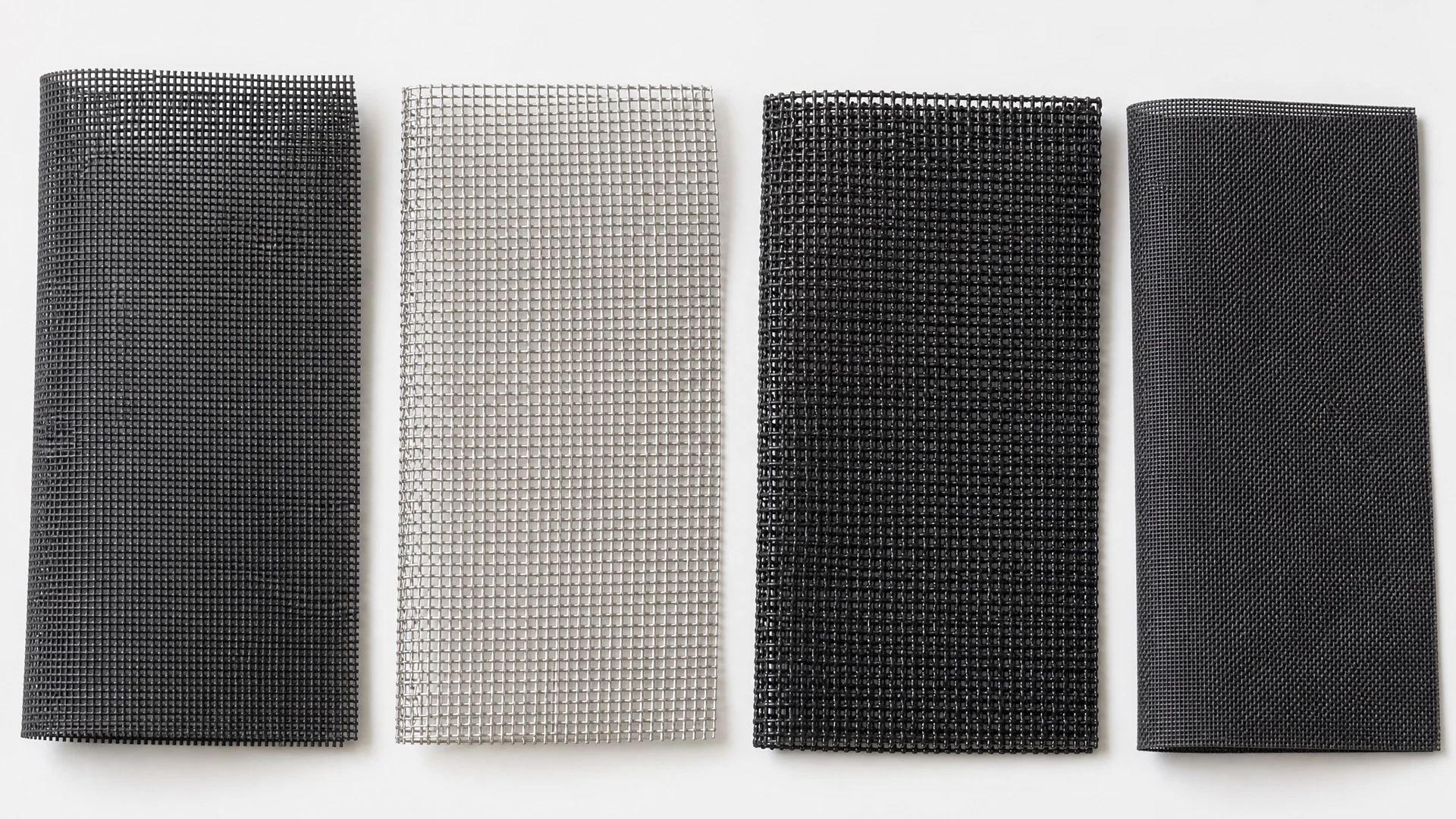
Window screen materials include fiberglass, aluminum, vinyl-coated polyester, solar mesh, stainless steel, bronze, and copper. Each offers distinct advantages in terms of durability, visibility, strength, and resistance to environmental factors.
Introduction to Window Screens
Window screens are a fundamental feature in any Los Angeles home or business, acting as a protective barrier that allows you to enjoy fresh air and natural light without inviting unwanted bugs or debris inside.
The right window screens can enhance your comfort, safeguard your interiors, and even contribute to energy savings by reducing the need for air conditioning. With options ranging from classic fiberglass and sturdy aluminum to advanced stainless steel screens, there's a solution for every property and lifestyle.
Why Window Screen Material Matters
The mesh you choose for your window screens is far more than a minor detail — it's the primary factor determining how well your screens handle insects, pets, intense sunlight, and security concerns. In a year-round mild climate like Southern California, where windows often stay open for months at a time, the performance differences between screen material types become even more noticeable in daily life.
Fiberglass Window Screen Material
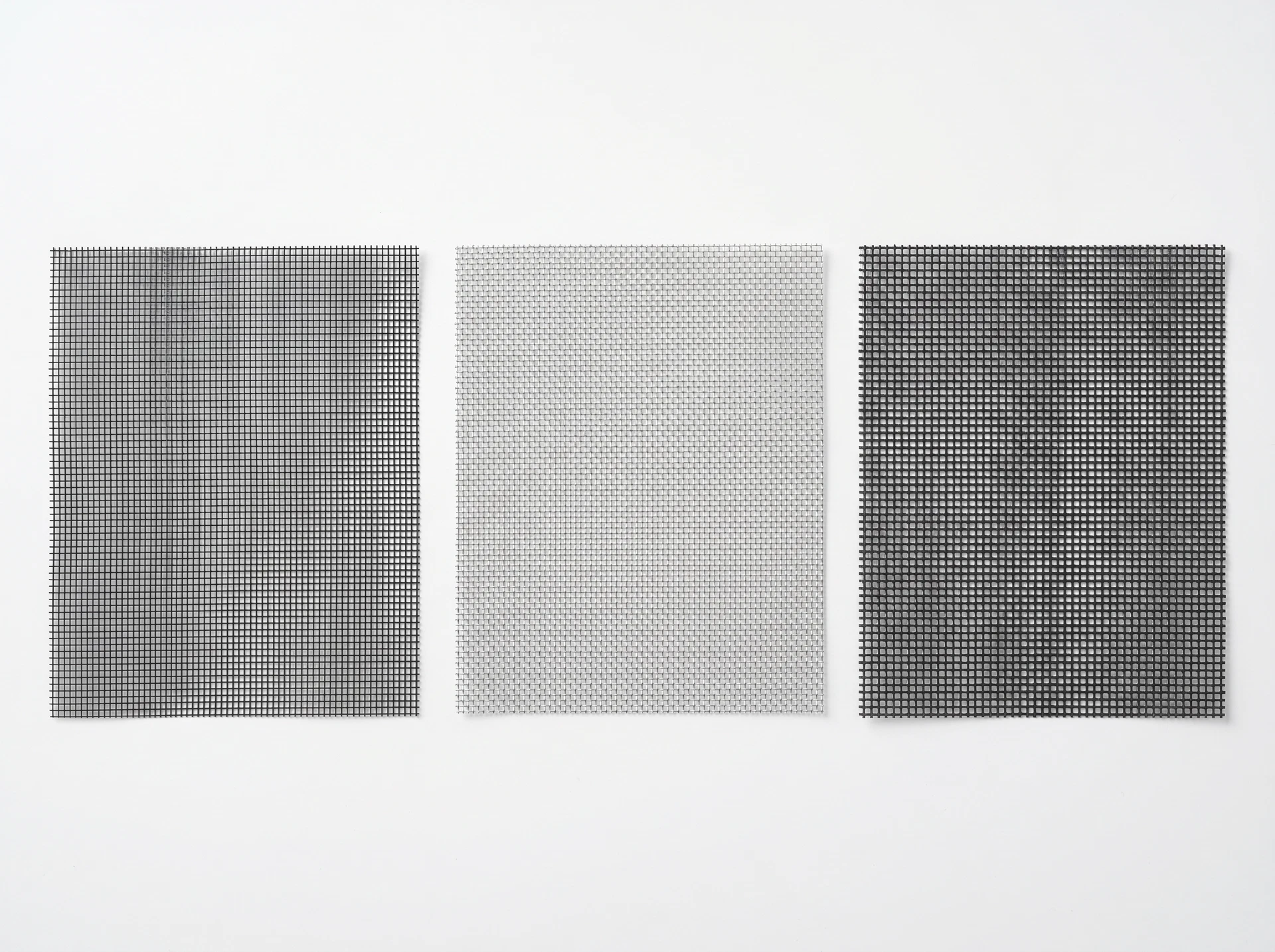
Standard fiberglass screen is the most common material used on residential windows and screen doors built or remodeled in the last 25–30 years. Fiberglass mesh is flexible, lightweight, and economical. It resists rust and corrosion effectively, performing well in most parts of Greater Los Angeles.
Best uses for fiberglass mesh:- Standard bedroom and living room windows
- Upstairs windows with minimal traffic
- Rental properties where cost is critical
- Any opening that doesn't get heavy pet traffic or physical abuse
Aluminum Window Screen Material
Aluminum mesh represents the next step up in strength and durability compared to fiberglass screens. Aluminum screens are woven from metal wire, giving them a more rigid feel that resists stretching, sagging, and everyday wear better than fiberglass.
Ideal uses for aluminum screens:- Frequently opened windows and doors
- Higher-traffic ground-floor areas
- Small commercial storefront windows
- Situations where owners want longer-lasting material
Polyester & Pet-Resistant Window Screen Materials
Polyester-based meshes — often vinyl-coated — are stronger than standard fiberglass and form the foundation for most "pet-resistant" and heavy-duty insect screen products on the market. Pet-resistant screens can handle forces up to 400–700 pounds per square inch before failure, compared to fiberglass's 50–70 pounds — making them approximately 7 times stronger overall.
Common use cases for pet-resistant mesh:- Sliding screen doors leading to patios and balconies
- First-floor windows near decks or yards
- Rental units with pet policies
- Children's rooms where screens may be bumped or pushed
- Pool enclosures and patio enclosures with high traffic
Stainless Steel Window Screen Material
Stainless steel mesh is a premium option offering high strength, long-term durability, and enhanced security for vulnerable openings. Stainless steel screens resist cutting, denting, and deformation far better than fiberglass or aluminum. With lifespans exceeding 20–30 years even in harsh conditions, stainless steel represents a long-term investment.
Ideal applications for stainless steel screens:- Ground-level windows on busy streets
- Side yards and alley-facing openings
- Windows accessible from porches or decks
- Light commercial doors where vandalism or impact is a concern
Solar Screen Materials (Sun & Heat Control)
Solar screens use specially woven, often darker, synthetic mesh designed to block a significant percentage of solar heat and UV rays before they enter your home. Quality solar mesh reduces UV exposure by 70–90%, protecting furniture, floors, and artwork from fading while lowering interior temperatures by 10–15°F on hot afternoons. Studies show solar screens can cut cooling costs by 25–30% annually in sunny climates.
Solar screens are an excellent choice for:- West- and south-facing windows with intense sun exposure
- Rooms that tend to overheat in summer
- Homes with valuable artwork, furniture, or flooring susceptible to UV damage
- Properties where daytime privacy is desired
Copper-Bronze & Brass Window Screen Materials
Copper-bronze and brass screens are specialty, architectural materials chosen as much for appearance as for performance. If you own a period home in Los Angeles — whether Craftsman, Spanish Revival, or early mid-century — these metal screens can complement your home's original character.
These alloys are strong, resist rust, and last 25+ years with proper care. Over time, copper-bronze develops a distinctive patina that enhances the warm, aged look favored in historic restorations.
About Screen Master Door & Window
Screen Masters is a mobile window and door screen repair company serving Greater Los Angeles since 2002. We provide professional window screen repairs, replacements, and installations using USA-quality materials. Contact us at (323) 313-8167 or request a free estimate online.
Need Window or Door Screen Services?
Screen Masters provides mobile screen repair, replacement, and installation across Greater Los Angeles. Free estimates, 7 days a week.