
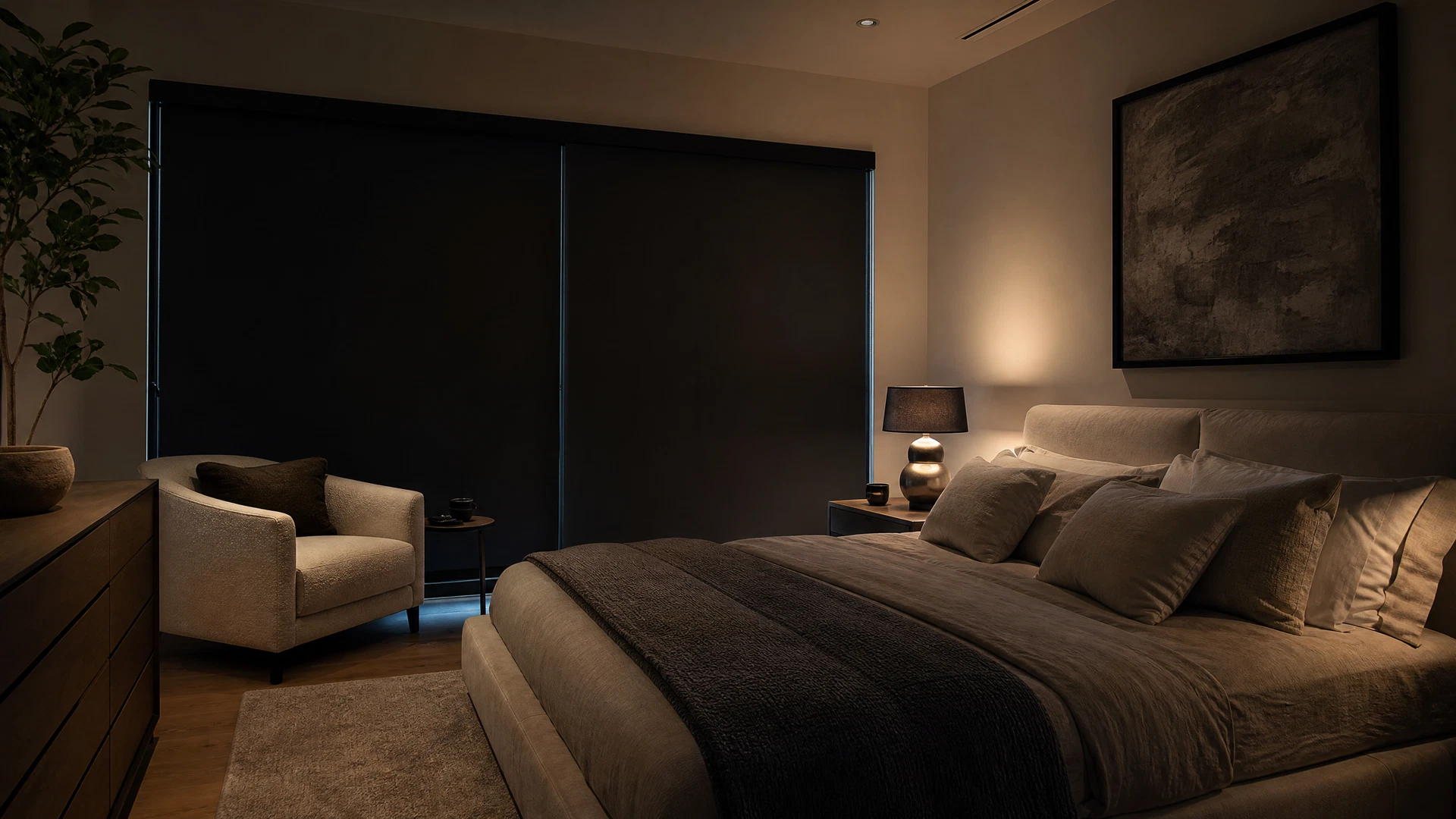
Living in Greater Los Angeles means enjoying over 3,000 hours of sunshine annually — but all that light can disrupt sleep, overheat your rooms, and fade your furniture. Here's everything you need to know about choosing blackout shades for your LA home.
What Are Blackout Shades for Windows?
Blackout shades are window coverings constructed with opaque, typically multi-layer fabric engineered to block 95–100% of incoming light when installed correctly. Unlike standard window treatments, these shades use specialized materials — often incorporating vinyl backing, woven blackout liners, or honeycomb cellular structures — that prevent visible light from passing through.
Understanding the difference between blackout and other shade types matters when shopping:
- Blackout shades block 95–100% of light, creating total darkness even during midday
- Room darkening shades reduce light by approximately 80–90%, leaving some ambient glow
- Light filtering shades allow substantial illumination while softening harsh rays
Benefits of Blackout Shades in a Sunny Climate Like Los Angeles
Greater Los Angeles presents unique challenges for homeowners: intense year-round sun, summer heat waves pushing temperatures above 95°F for weeks at a time, dense urban neighborhoods with minimal setbacks between buildings, and significant light pollution that never fully fades. Blackout shades address these challenges in several meaningful ways.
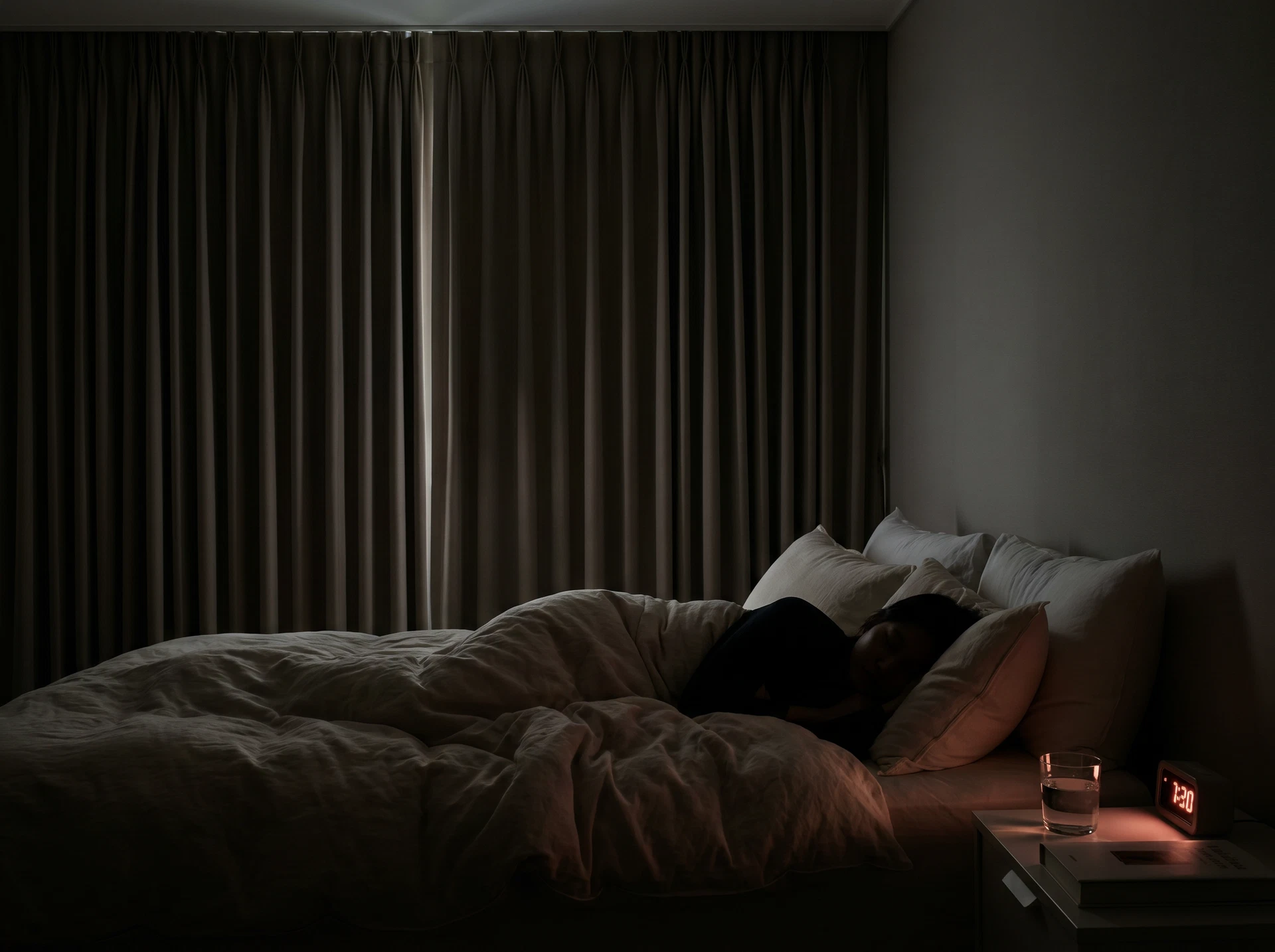
- Better sleep quality: Complete darkness helps your body produce melatonin naturally, potentially extending deep sleep phases by 20–30% compared to dimmed environments.
- Daytime glare control: West- and south-facing windows in Los Angeles can exceed 1,000 lux during peak hours, creating uncomfortable glare on computer screens and TVs. Blackout shades eliminate this issue entirely.
- Temperature and energy savings: Quality blackout fabrics absorb or reflect solar heat gain. Cellular honeycomb designs create insulating air pockets that can lower room temperatures by 10–15°F on hot afternoons.
- UV and fade protection: Southern California's intense UVB environment causes carpets, artwork, and furniture to degrade 2–3 times faster than in less sunny regions. Blackout shades block up to 99% of harmful UV rays.
- Privacy after dark: In close-set LA neighborhoods, apartments, and mixed-use buildings, blackout shades provide absolute privacy once the sun sets.
Types of Blackout Shades and How They Compare
- Blackout roller shades: Simple, one-piece fabric that rolls up and down on a tube mechanism. Affordable (often $100–300 per window custom), easy motorized upgrades, and clean lines.
- Blackout cellular shades: Also called honeycomb shades, these feature pleated fabric cells that trap still air, providing R-values up to 4.5 for superior insulation. They block 99–100% of light and excel at rejecting heat.
- Blackout roman shades: Softer, more decorative folds that add elegance to formal living rooms and primary suites. They typically require an integrated or detachable blackout liner to achieve 97%+ light blocking.
- Blackout curtains and drapery: Floor-to-ceiling coverage with wraparound rods or ceiling tracks. Work best for home theaters and spaces needing 100% opacity.
How to Choose the Right Blackout Shades for Your Windows
- Define your primary purpose: Sleep quality, glare control, daytime privacy, or temperature management.
- Match to room type: Bedrooms and nurseries warrant cellular or roller blackout for maximum darkness. Living rooms often work better with roman shades with liners or layered drapery.
- Choose your mount style: Inside mount fits within the window frame for a sleek look. Outside mount overlapping 3–4 inches per side typically achieves better blackout by sealing the perimeter.
- Select an operation type: Cordless lift systems are standard. Motorized options work well for windows taller than 72 inches or hard-to-reach locations.
- Set a realistic budget: Ready-made shades run $50–150. Custom blackout shades typically cost $200–600 for quality vinyl rollers.
Measuring and Installing Blackout Shades for Maximum Darkness
Even the highest-quality blackout fabric will leak light through gaps if your shade is measured or mounted incorrectly.
- Measuring for inside mount: Record width and height at three points — top, middle, and bottom — to the nearest 1/8 inch. Use the narrowest width measurement and smallest height.
- Measuring for outside mount: Add at least 3–4 inches beyond the window opening on each side, and several inches above and below to minimize light gaps.
- Mounting height considerations: Position your shade 4–6 inches above the window frame when possible. This visually elongates walls and blocks overhead light leaks.
About Screen Master Door & Window
Screen Masters is a mobile window and door screen repair company serving Greater Los Angeles since 2002. We provide professional window screen repairs, replacements, and installations. Contact us at (323) 313-8167 or request a free estimate online.
Need Window or Door Screen Services?
Screen Masters provides mobile screen repair, replacement, and installation across Greater Los Angeles. Free estimates, 7 days a week.