Blackout Shades for Windows: A Buyer's Guide for Los Angeles Homeowners
Living in Greater Los Angeles means enjoying over 3,000 hours of sunshine annually—but all that light can disrupt sleep, overheat your rooms, and fade your furniture faster than you might expect. Whether you’re a night shift nurse in Glendale, a parent with a nursery in Pasadena, or a remote worker battling screen glare in your Culver City apartment, blackout shades for windows offer a practical solution for taking control of your indoor environment.
This guide walks you through everything you need to know about selecting, installing, and maintaining blackout window treatments in Southern California’s unique climate.
Key Takeaways
- Blackout shades are window coverings specifically designed to block 95–100% of incoming light when properly installed, making them ideal for bedrooms, nurseries, home offices, and media rooms throughout Greater Los Angeles.
- Screen Master Door & Window serves the Greater Los Angeles area with custom window treatments and on-site mobile service, with over 20 years and three generations of experience as of 2026.
- True blackout performance requires both the right fabric and proper fit—inside mount versus outside mount, side channels, and correct measurements all make a significant difference in how much light gets through.
- Beyond sleep benefits, blackout shades help reduce glare, lower indoor temperatures during LA’s intense summers, and protect interiors from UV fading that’s 2–3 times faster in Southern California’s sun.
- This guide covers types of blackout shades, how to choose the right option for your space, installation tips for maximum darkness, and local service options to help you get started.
What Are Blackout Shades for Windows?
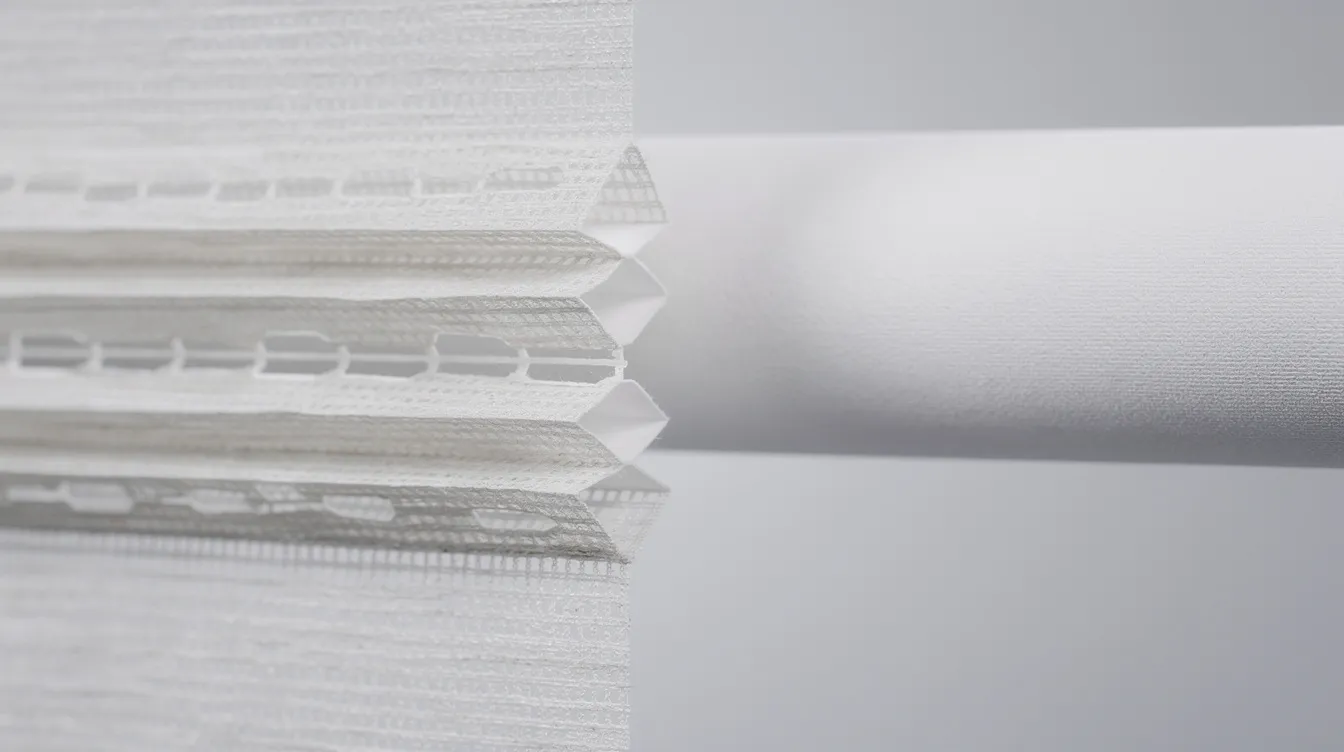
Blackout shades are window coverings constructed with opaque, typically multi-layer fabric engineered to block 95–100% of incoming light when installed correctly. Unlike standard window treatments, these shades use specialized materials—often incorporating vinyl backing, woven blackout liners, or honeycomb cellular structures—that prevent visible light from passing through.
Understanding the difference between blackout and other shade types matters when shopping:
- Blackout shades block 95–100% of light, creating total darkness even during midday
- Room darkening shades reduce light by approximately 80–90%, leaving some ambient glow
- Light filtering shades allow substantial illumination while softening harsh rays
Common use cases for blackout shades in Los Angeles include:
- Night shift workers who need to sleep during bright daytime hours when sunrise hits as early as 5:30 AM in summer
- Nurseries and children’s bedrooms facing east where morning sun disrupts nap schedules
- Home theaters and gaming setups where even minor light intrusion affects screen visibility
- Street-facing bedrooms in dense neighborhoods dealing with streetlight pollution and passing headlights
Blackout shades come in several styles—roller, cellular, roman, and curtains—and can be operated manually, with cordless mechanisms, or through motorized systems. This guide focuses on helping you select and use these shades effectively for your specific situation, not just listing products.
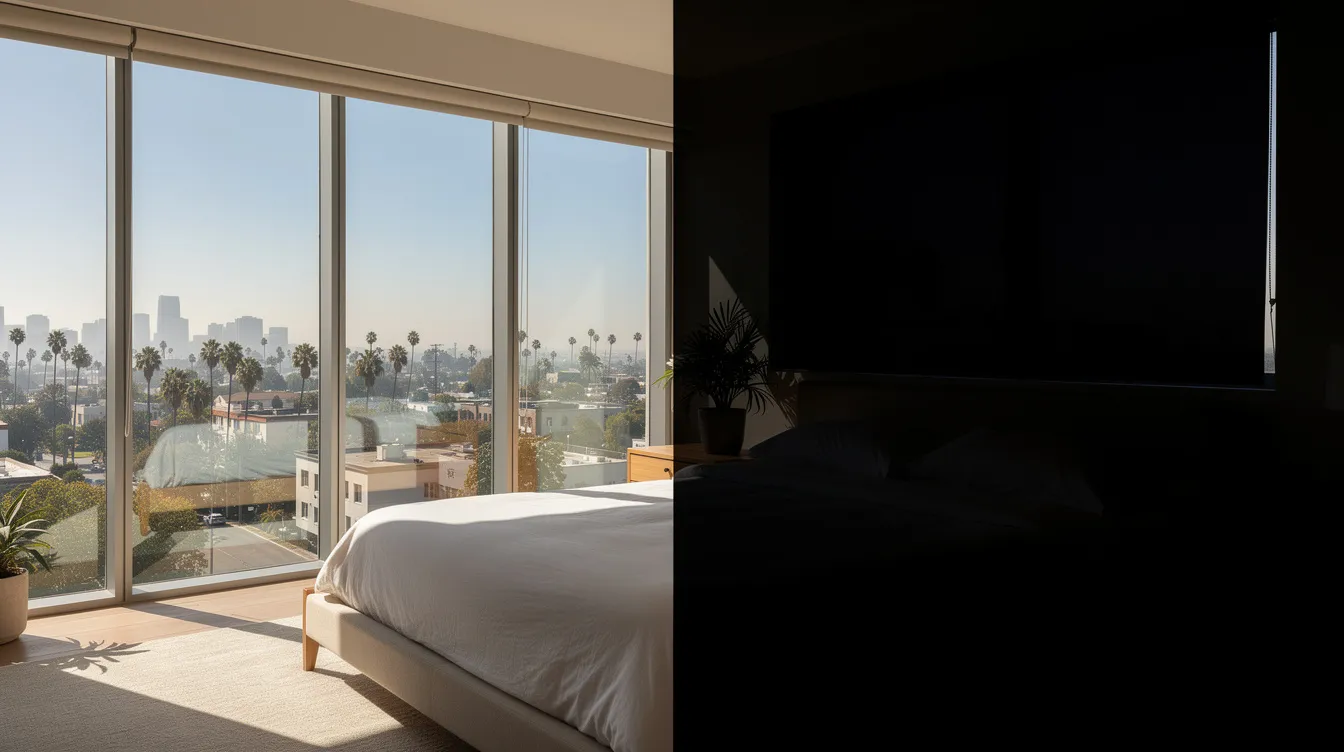
Benefits of Blackout Shades in a Sunny Climate Like Los Angeles
Greater Los Angeles presents unique challenges for homeowners: intense year-round sun, summer heat waves pushing temperatures above 95°F for weeks at a time, dense urban neighborhoods with minimal setbacks between buildings, and significant light pollution that never fully fades. Blackout shades address these challenges in several meaningful ways.
- Better sleep quality: Complete darkness helps your body produce melatonin naturally, potentially extending deep sleep phases by 20–30% compared to dimmed environments. For shift workers, parents of young children, and anyone sensitive to LA’s early summer sunrises, this can make a real difference in daily life.
- Daytime glare control: West- and south-facing windows in Los Angeles can exceed 1,000 lux during peak hours, creating uncomfortable glare on computer screens and TVs. Blackout shades eliminate this issue entirely for home offices, gaming setups, and media rooms where visual clarity matters.
- Temperature and energy savings: Quality blackout fabrics absorb or reflect solar heat gain. Cellular honeycomb designs create insulating air pockets that can lower room temperatures by 10–15°F on hot afternoons, reducing air conditioning demands during July through September when LA electricity usage spikes by roughly 40%.
- UV and fade protection: Southern California’s intense UVB environment causes carpets, artwork, and furniture to degrade 2–3 times faster than in less sunny regions. Blackout shades block up to 99% of harmful UV rays, helping preserve your interior investments.
- Privacy after dark: In close-set LA neighborhoods, apartments, and mixed-use buildings, blackout shades provide absolute privacy once the sun sets—no silhouettes visible from outside, no concerns about neighbors or passersby.
- Noise perception: While blackout shades don’t provide true soundproofing (you’d need acoustic liners for that), the psychological effect of a darkened, enclosed space can make rooms feel calmer and more secluded from street noise.
Types of Blackout Shades and How They Compare
Choosing between blackout window treatment types depends on your priorities—whether that’s sleek aesthetics, maximum insulation, decorative appeal, or theater-level darkness. Here’s how the major options stack up.
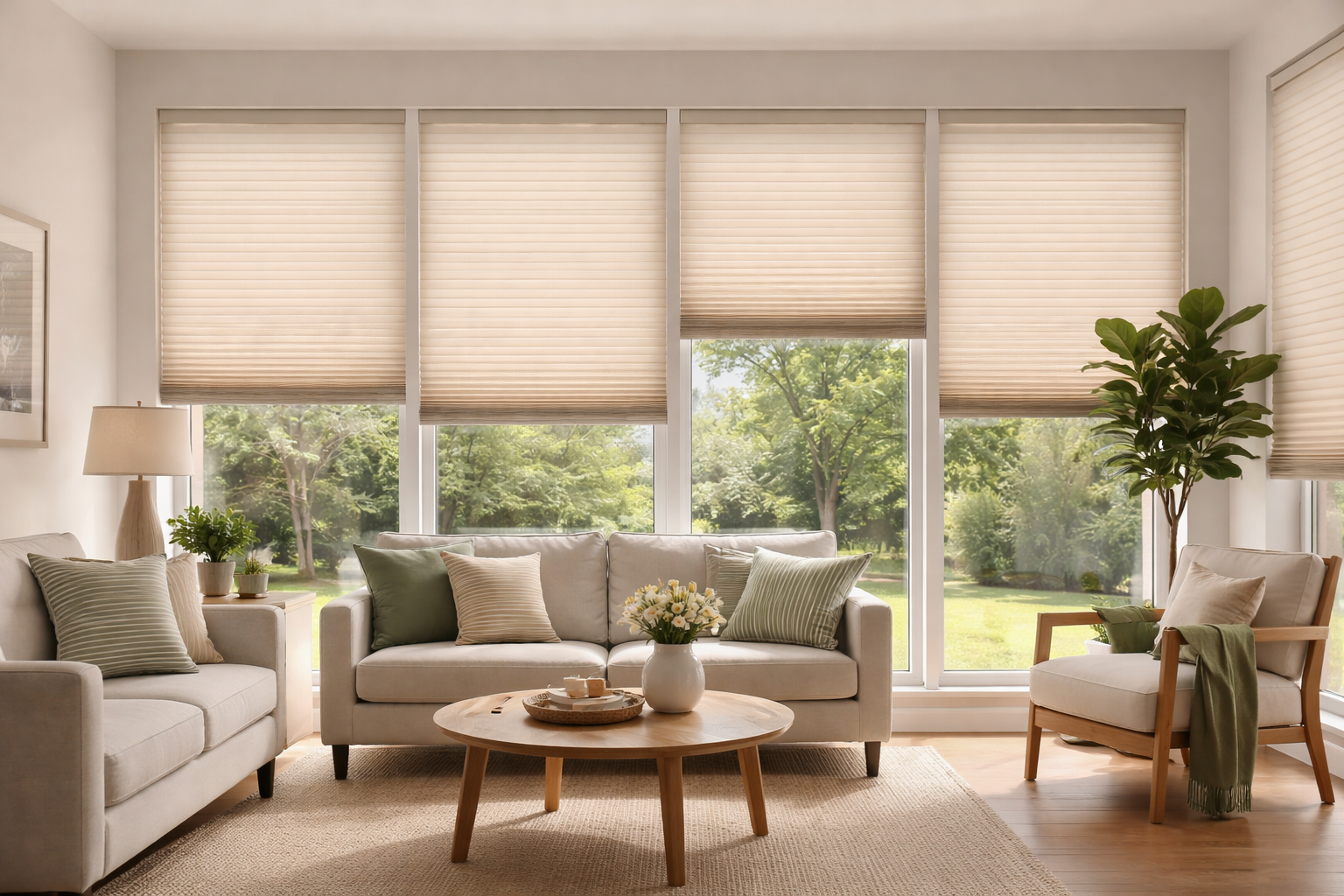
- Blackout roller shades: These feature a simple, one-piece fabric that rolls up and down on a tube mechanism. They hug the window frame closely, especially with slim-fit cassettes that minimize side gaps to under 1/8 inch. Roller shades work well for minimalist bedrooms, rentals, and bathrooms where moisture resistance matters. Pros include affordability (often $100–300 per window custom), easy motorized upgrades, and clean lines. Cons: they offer less insulation than cellular options and may show wear without UV treatment.
- Blackout cellular shades: Also called honeycomb shades, these feature pleated fabric cells that trap still air, providing R-values up to 4.5 for superior insulation. They block 99–100% of light and excel at rejecting heat—outperforming rollers by 20–30% in industry tests. Cellular shades are ideal for hot LA afternoons and street-facing bedrooms where both light and temperature control matter. The tradeoff: they stack bulkier when raised.
- Blackout roman shades: These provide softer, more decorative folds that add elegance to formal living rooms and primary suites. They typically require an integrated or detachable blackout liner to achieve 97%+ light blocking. Expect to pay more ($200–500 range) due to fabric volume and construction complexity. Watch for potential light gaps between pleats if the liner isn’t precisely installed.
- Blackout curtains and drapery: Floor-to-ceiling coverage with wraparound rods or ceiling tracks can seal edges effectively when properly installed. Curtains work best for home theaters and spaces needing 100% opacity, especially when paired with side channels. Pros include luxurious texture and some sound absorption. Cons: they require more space, need regular cleaning, and can feel drafty without proper liners.
- Zebra and dual roller shades: These alternate between sheer and opaque bands for adjustable light control throughout the day. However, they rarely achieve true blackout unless specified with dedicated blackout bands or a separate opaque layer. They’re better suited for multi-purpose living areas than strict sleep zones.
- Integrated solutions with fascia and side channels: For near-100% blackout in demanding applications like home theaters and nurseries, shades paired with U-shaped side channels and decorative fascia (covering the roll mechanism) approach complete darkness. Expert evaluations indicate that outside-mounted cellular shades with channels can block 99.9% of light versus 90–95% for basic inside-mount rollers.
How to Choose the Right Blackout Shades for Your Windows
Selecting the perfect blackout solution requires matching your priorities to the specific characteristics of your space. Here’s a practical decision framework for Greater Los Angeles homeowners and renters.
- Define your primary purpose: Ask yourself whether your main goal is sleep quality, glare control during work hours, daytime privacy, or temperature management. Sleep-focused spaces benefit most from cellular or channeled roller shades, while home offices may do fine with standard blackout rollers.
- Match to room type: Bedrooms and nurseries warrant cellular or roller blackout for maximum darkness. Living rooms often work better with roman shades with liners or layered drapery that balance aesthetics with function. Home offices typically need clean-lined rollers that don’t distract from the workspace.
- Choose your mount style: Inside mount fits within the window frame for a sleek look but may leak light on imperfect older LA windows (common in pre-1980s homes with 1/4-inch variances). Outside mount overlapping 3–4 inches per side typically achieves better blackout by sealing the perimeter.
- Select an operation type: Cordless lift systems dominate since 2024 CPSC regulations requiring safe designs for child safety. Motorized options work well for windows taller than 72 inches or hard-to-reach locations, with rechargeable batteries lasting 6–12 months depending on use frequency.
- Consider color and style: Dark fabrics create a more cave-like feel when closed. White or light-colored blackout fabrics block light equally well but keep rooms visually brighter by reflecting interior light, boosting room luminance by 20–30%.
- Set a realistic budget: Ready-made shades run $50–150 but risk 5–10% light gaps on non-standard windows. Custom blackout shades typically cost $200–600 for quality vinyl rollers, with motorized cellular options starting around $400+. Factor in warranties from reputable brands covering 5–10 years against fading and mechanism failure.
- Account for special circumstances: Pet owners should look for claw-resistant fabrics. Renters may need no-drill mounting options. HOA restrictions in many LA communities limit visible exterior changes, often favoring inside mounts. Owners of vintage homes with non-standard windows benefit most from custom fabrication.
Measuring and Installing Blackout Shades for Maximum Darkness
Even the highest-quality blackout fabric will leak light coming through gaps if your shade is measured or mounted incorrectly. Proper installation makes the difference between room darkening and a completely dark space.
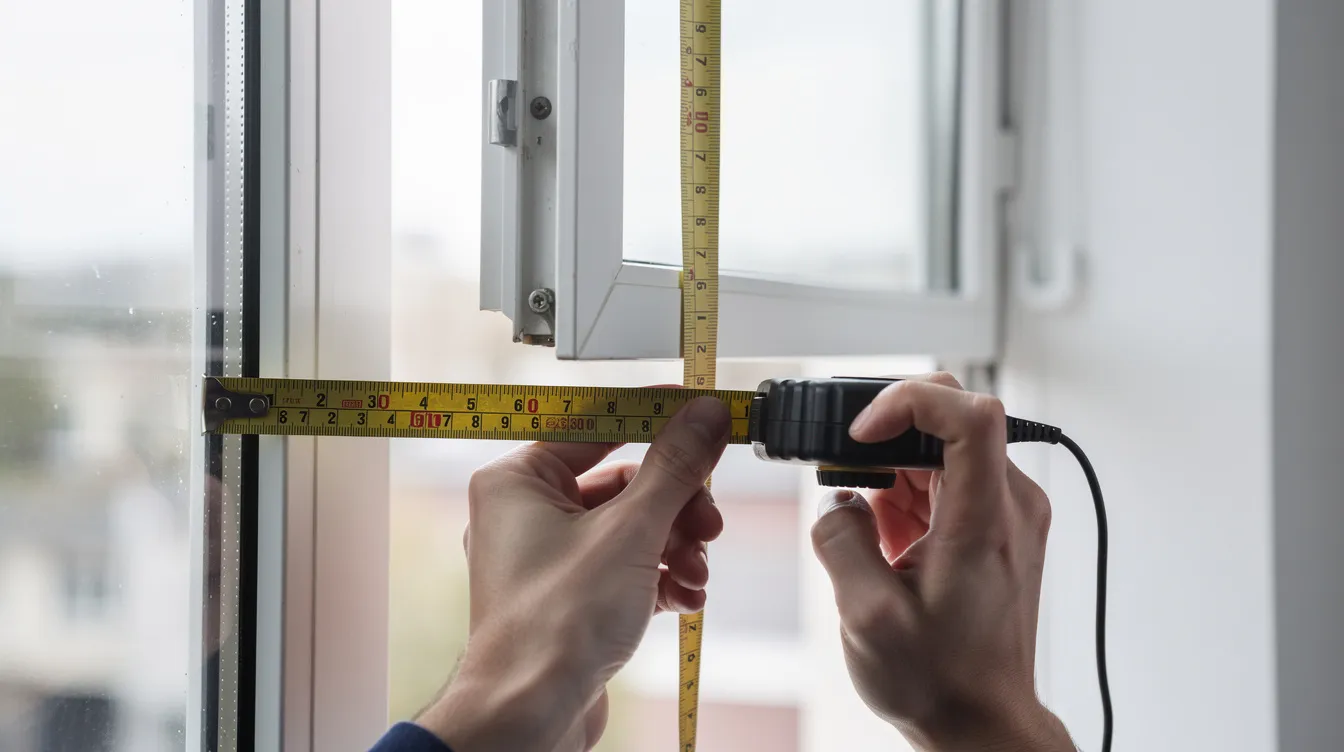
- Measuring for inside mount: Record width and height at three points—top, middle, and bottom—to the nearest 1/8 inch. Use the narrowest width measurement and smallest height to ensure the shade fits. Note any obstructions like window cranks or locks. Many older LA homes have out-of-square openings that require this precision.
- Measuring for outside mount: Add at least 3–4 inches beyond the window opening on each side, and several inches above and below to minimize light gaps around the perimeter. This overlap is what transforms a room-darkening install into true blackout performance.
- Mounting height considerations: Position your shade 4–6 inches above the window frame when possible. This visually elongates walls, blocks overhead light leaks, and provides a more polished appearance.
- Side channels and tracks: U-shaped channels running along both sides—and sometimes the bottom—create near-100% blackout by eliminating edge gaps. These are particularly valuable for media rooms, nurseries, and anyone pursuing total darkness.
- Hardware selection: Match your anchors to typical Southern California construction. Use toggle bolts for drywall installations and pilot holes for wood framing. Ensure hardware can support 50–100 lb load capacities, especially for wider or motorized shades.
- DIY versus professional installation: Standard roller shades on typical windows are relatively easy to install with clear instructions and basic tools. However, very tall windows, uneven frames from settling, and multiple large openings often benefit from professional installation to ensure everything operates smoothly.
- Safety compliance: Current regulations require cordless or motorized systems for shades under 96 inches to eliminate strangulation risks. If you’re installing any tensioned mechanisms, anchor them securely according to manufacturer guidelines.
Screen Master Door & Window Services for Blackout and Solar Control (Greater Los Angeles)
At Screen Master Door & Window (Screen Master Plus), we’ve served the Greater Los Angeles area from our Rosemead base since the early 2000s, bringing three generations of expertise to every project. While our specialty is custom window and door screen fabrication and repair, we understand that LA homeowners often need integrated solutions for year-round comfort.
- Pairing screens with blackout solutions: Many of our customers combine blackout shades or curtains with sun-control screens for complete flexibility. Blackout treatments handle nighttime privacy and sleep while quality screens provide daytime glare reduction and ventilation.
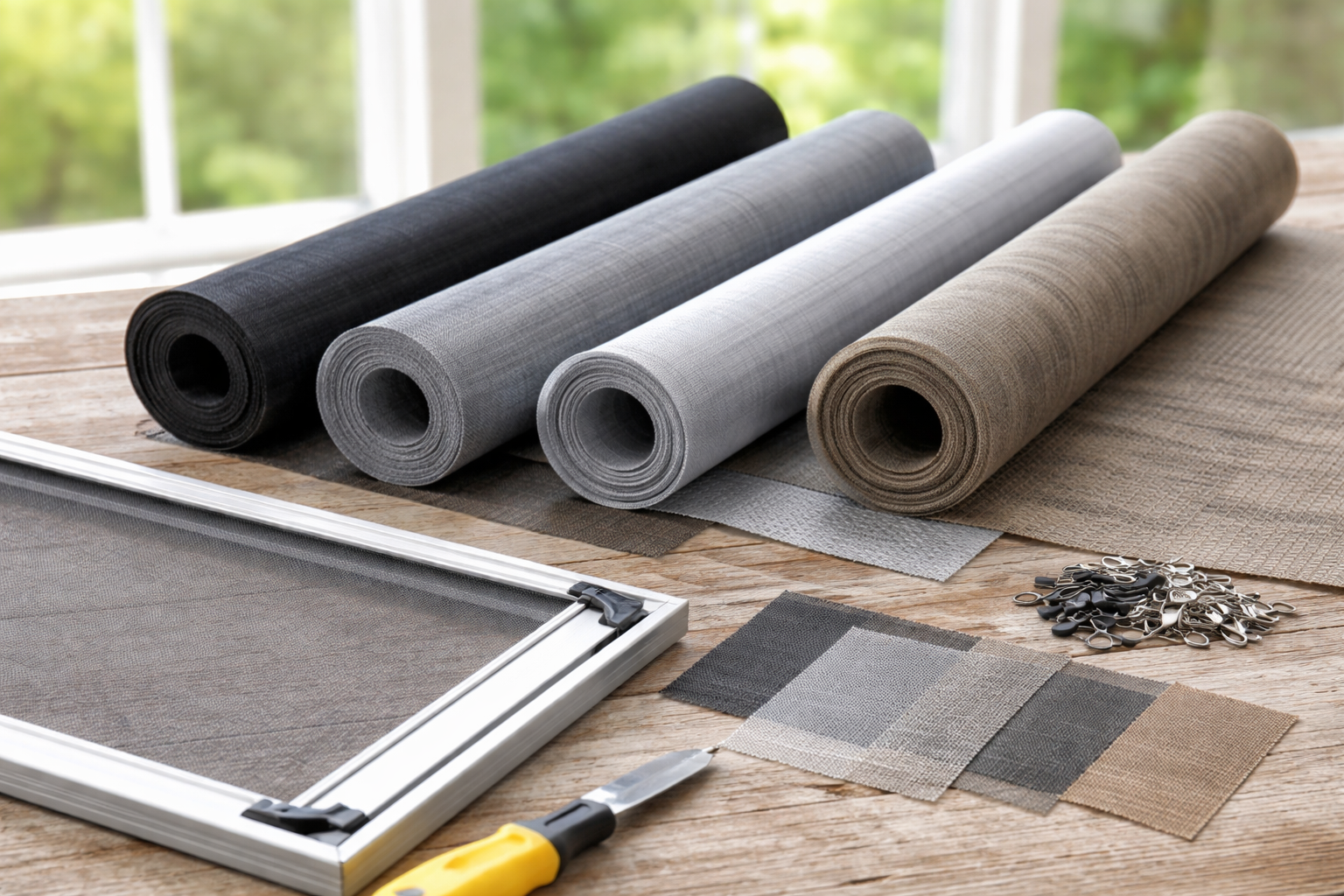
- Solar screens for heat and glare: Our solar screen options use denser mesh (such as 18x14 weave) that blocks 65–90% of solar heat while preserving 30–50% visibility. These work great during the day when full blackout isn’t needed but LA’s intense sun still creates discomfort.
- Pet-resistant mesh options: For clients who raise blackout shades during daytime hours, our pet-resistant screening withstands pressure from dogs and cats weighing 200+ pounds without tearing, keeping bugs out while your windows stay open.
- Retractable screen doors: Our retractable door screens complement blackout or room-darkening drapery on patio doors and sliders. They integrate seamlessly without obstructing shade operation when you want both darkness inside and bug-free ventilation.
- Mobile on-site service: Our fully equipped trucks bring the workshop to your door, completing most screen jobs in a single visit. This minimizes downtime and lets you see material options in person before making decisions.
- B2B solutions: Small offices, clinics, and rental property managers throughout LA rely on us for coordinated glare control, screens, and privacy solutions that keep staff and tenants comfortable year-round.
- Free consultation and quotes: Call us at (323) 313-8167 to discuss how blackout window treatments and advanced screens can work together in your space. We’re happy to evaluate your windows and provide recommendations.
- Quality and warranty: We use USA-made screen materials and back our work with warranty protection. When you’re investing in blackout solutions, you expect quality—and that’s exactly what we deliver on the screening side of the equation.
Care, Maintenance, and Longevity of Blackout Shades
Proper maintenance keeps your blackout shades looking clean and performing at their best for years, which matters especially in LA’s dusty, smog-prone environment where buildup happens faster than in cleaner climates.
- Regular dusting: Use a feather duster or vacuum with a soft brush attachment on low suction once or twice a month. This prevents 80% of typical buildup from accumulating on fabric surfaces.
- Spot cleaning: Gently dab stains with lukewarm water and mild detergent on a soft sponge, following manufacturer instructions carefully. Avoid soaking cellular shades, as moisture trapped in honeycomb cells can cause issues.
- Avoid harsh chemicals: Bleach, strong solvents, and abrasive cleaners can damage blackout coatings and degrade fabric integrity. Stick to mild soap solutions tested on an inconspicuous area first.
- Pet and child safety: Discourage kids and pets from pulling on fabric edges or playing with mechanisms. Keep cordless systems in good working order by checking operation monthly.
- Hardware inspections: Every few months, check brackets, screws, and any fascia for loosening—especially in homes where windows are opened and closed frequently, creating vibration.
- Sun exposure awareness: Quality blackout fabrics receive UV treatment that resists fading for 7–10 years under normal conditions. However, extremely sun-exposed windows may show wear sooner. Consider rotating shades between rooms or budgeting for replacement when the fabric degrades.
- Battery maintenance for motorized shades: If you’ve chosen motorized operation, check battery levels periodically to ensure reliable function. Most rechargeable systems last 6–12 months per charge cycle.
Ready to Upgrade Your Home with Blackout Shades for Windows?
Blackout shades for windows are one of the most practical upgrades for Greater Los Angeles homes, helping you sleep better, reduce glare, improve privacy, and manage heat in a region defined by intense sunshine. Whether you need true darkness for a bedroom or nursery, better screen visibility in a home office, or a layered solution that pairs shades with solar-control screens, the right fit and installation make all the difference.
To explore options tailored to your windows, call Screen Master Door & Window at (323) 313-8167 today for a free consultation and quote.
FAQs
These frequently asked questions address common concerns not fully covered above, focusing on real-world situations homeowners face throughout Greater Los Angeles.
Do blackout shades keep my room cooler in Los Angeles summers?
Blackout shades primarily block light, but many designs also reflect or absorb heat effectively. On west- and south-facing windows, quality blackout treatments can reduce indoor temperatures by 5–12°F during peak afternoon hours, noticeably cutting AC usage during LA’s hottest months.
For maximum heat control, pairing blackout shades with solar screens or low-E window glass delivers better results than shades alone—a common approach in LA retrofits. Cellular blackout shades tend to perform best for insulation because their honeycomb air pockets create an additional thermal barrier with R-values reaching 3.5 or higher.
Can I still get fresh air if I use blackout shades?
Most blackout shades mount inside or above the window frame and can be fully raised to allow natural ventilation whenever you want. The shades don’t permanently seal your windows—they simply provide darkness when lowered.
For people who want both airflow and reduced glare during the day, combining blackout shades with quality window screens works well. Solar or pet-resistant mesh from Screen Master lets you open windows without bugs entering while the blackout shades stay raised. When full blackout isn’t needed, many homeowners use light-filtering shades during daytime and switch to blackout only at night.
Are blackout shades safe for homes with children and pets?
As of mid-2020s regulations, cordless or motorized blackout shades are recommended—and often legally required—for child safety, eliminating the strangulation risk from dangling cords and loops. When shopping, verify that any shade you’re considering meets current safety standards.
In homes with active pets, choose durable fabrics and sturdy mounting hardware. Position shades high enough that curious animals can’t reach them, and keep furniture that children might climb away from windows. These precautions, combined with cordless operation, create a safe environment for the whole family.
What’s the difference between custom blackout shades and ready-made ones?
Custom blackout shades are manufactured to the exact dimensions of each window, typically resulting in less light leakage and a more polished appearance. Professional measuring accounts for the slight variations common in older construction.
Ready-made shades cost less and ship faster, but they often leave larger gaps—especially in non-standard LA window openings from pre-1980s homes. For critical spaces like bedrooms and nurseries where every bit of light matters, custom sizing usually proves worth the investment. Less-used rooms like guest bedrooms might manage fine with standard sizes if your windows happen to match available dimensions.
Can you help if my windows are an odd size or from an older Los Angeles home?
Many LA homes and apartments built before the 1980s feature non-standard or slightly out-of-square windows that don’t fit standard shade dimensions well. These situations benefit most from precise measuring and custom fabrication.
While Screen Master Door & Window specializes in custom screen fabrication and repair rather than shade manufacturing, our team can advise on integrating quality screens with blackout treatments and refer clients to appropriate window-covering options when needed. We see windows of every era and condition throughout Greater Los Angeles daily.
For a free on-site evaluation of your windows and screens—especially when you’re considering combining blackout shades with upgraded screening—call us at (323) 313-8167. We’ll help you understand your options and create a plan that works for your specific space and budget.
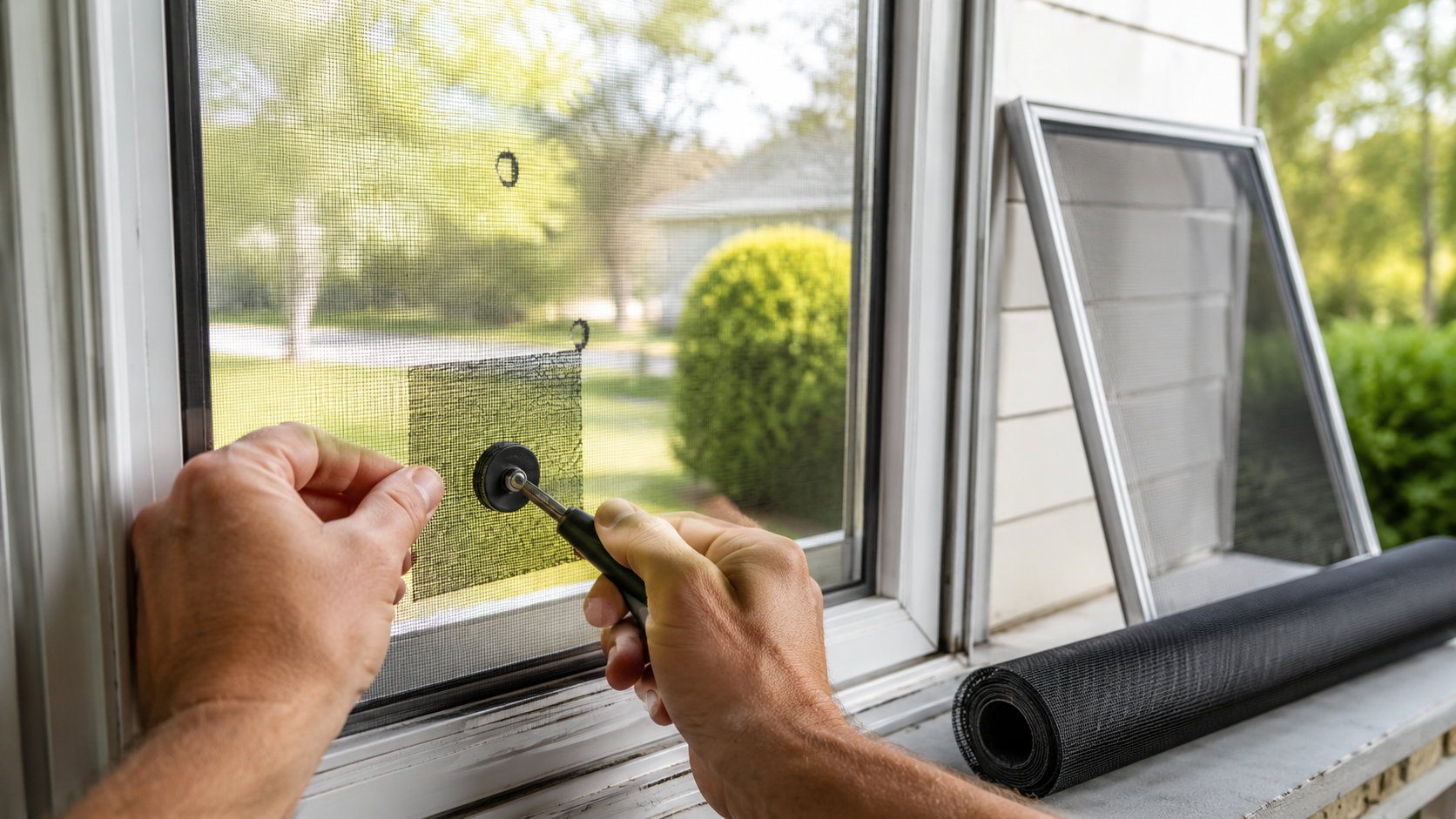
Holes in Window Screens: Quick Fixes, Long-Term Solutions & When to Call Screen Master Door & Window