Understanding Window Screen Material Types: A Comprehensive Overview
Introduction to Window Screens
Window screens are a fundamental feature in any Los Angeles home or business, acting as a protective barrier that allows you to enjoy fresh air and natural light without inviting unwanted bugs or debris inside. Whether you’re opening your windows to let in a cool breeze or simply want to brighten up your space, window screens make it possible to connect with the outdoors while keeping pests and the elements at bay.
The right window screens can enhance your comfort, safeguard your interiors, and even contribute to energy savings by reducing the need for air conditioning. With options ranging from classic fiberglass and sturdy aluminum to advanced stainless steel screens, there’s a solution for every property and lifestyle. Proper screen installation ensures that your windows and doors function at their best, providing unobstructed light and airflow while maintaining a secure, bug-free environment.
In this guide, we’ll break down the different types of window screens, their unique benefits, and how to choose the best screen material for your needs. Whether you’re considering a screen replacement or looking to upgrade to the latest screen technology, understanding your options is the first step toward a more comfortable and efficient space.
Key Takeaways
- This guide covers fiberglass, aluminum, stainless steel, copper-bronze/brass, polyester/pet mesh, solar mesh, and specialty options like no-see-um and privacy screens.
- Material choice affects durability, visibility, pet resistance, UV/heat control, and cost — especially important in sunny, high-traffic climates like Greater Los Angeles.
- Fiberglass and aluminum are the most common everyday choices, while stainless steel, copper-bronze, pet-resistant, and solar screens serve more specialized needs.
- Screen Master Door & Window (Screen Master Plus) provides mobile, on-site fabrication and installation of all major screen material types across the Greater Los Angeles Area.
- Los Angeles residents can call (323) 313-8167 for help choosing and installing the right window and door screen material.
Why Window Screen Material Matters
Window screen materials include fiberglass, aluminum, vinyl-coated polyester, solar mesh, stainless steel, bronze, and copper. Each of these materials offers distinct advantages in terms of durability, visibility, strength, and resistance to environmental factors. Understanding the differences between these main types is essential for selecting the right screen for your home or business.
The mesh you choose for your window screens is far more than a minor detail — it’s the primary factor determining how well your screens handle insects, pets, intense sunlight, and security concerns. In a year-round mild climate like Southern California, where windows often stay open for months at a time, the performance differences between screen material types become even more noticeable in daily life. Window screen mesh plays a crucial role in enhancing durability, visibility, and pest protection for home window screens.
Different materials balance airflow, visibility, strength, and cost in distinct ways, which means a “one-size-fits-all” approach rarely works for every property. Fiberglass mesh offers flexibility and affordability but may tear under pet claws. Aluminum screens provide extra strength and corrosion resistance but cost more upfront. Solar mesh blocks harmful uv rays and cuts cooling costs but reduces natural light. For LA homeowners and property managers, choosing the right material can reduce air conditioning costs, protect furniture from UV fading, and avoid the frustration of frequent repairs caused by pets or coastal moisture.
The rest of this article walks through each major window screen material type with pros, cons, and best uses — so you can quickly narrow down what fits your windows and doors.
Fiberglass Window Screen Material
Standard fiberglass screen is the most common material used on residential windows and screen doors built or remodeled in the last 25–30 years. If you’ve lived in a newer LA home or apartment, chances are good your screens are already fiberglass.
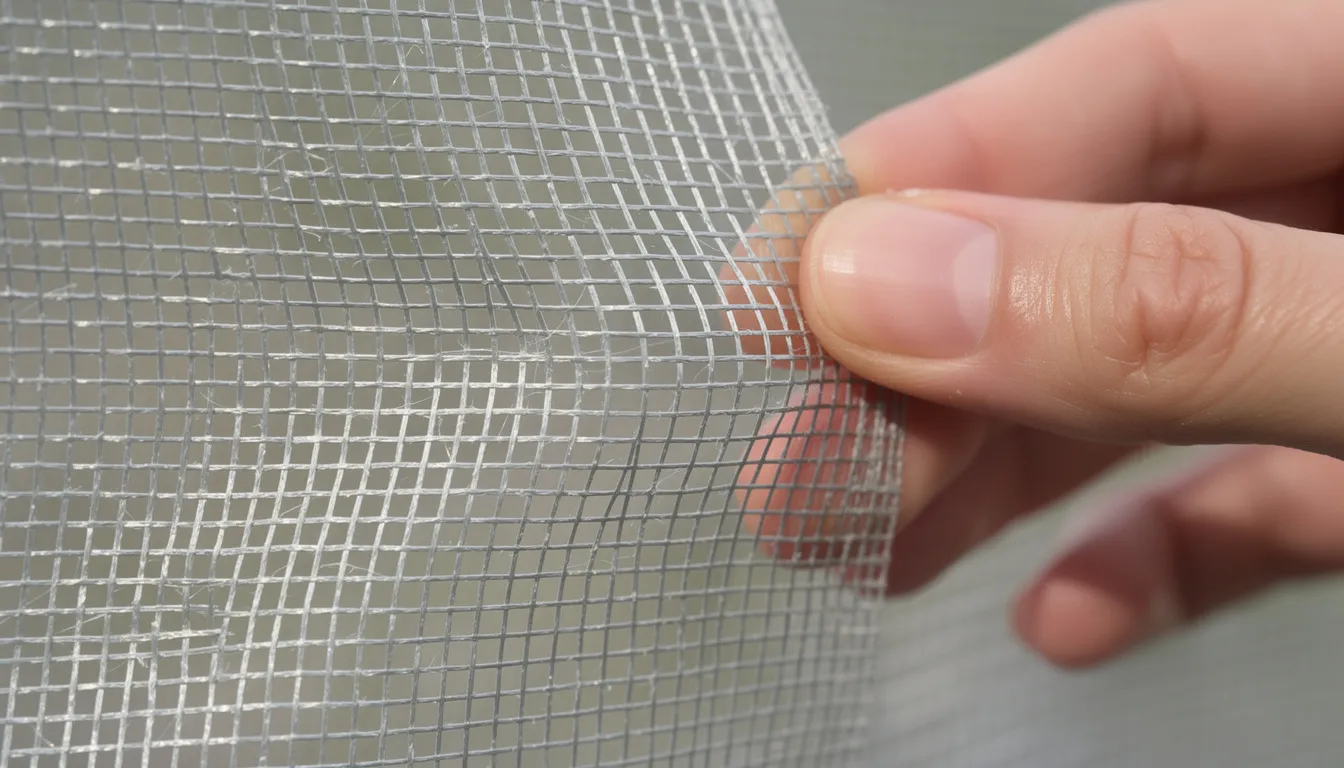
Fiberglass mesh is flexible, lightweight, and economical. It’s easy to roll into frames without kinks or permanent creases, making it ideal for routine screen replacement projects and large-volume work. The material consists of woven glass yarns coated with protective vinyl, which gives it that characteristic soft, slightly textured feel.
This screen mesh resists rust and corrosion effectively, so it performs well in most parts of Greater Los Angeles, including slightly coastal neighborhoods. However, fiberglass can stretch or tear more easily than metal screens under heavy use, and UV exposure gradually makes it brittle over time — typically requiring replacement every 5–10 years in moderate climates.
Fiberglass screens typically come in charcoal and gray colors. Charcoal fiberglass tends to offer better outward visibility and a softer “disappearing” look from inside the home, reducing glare while letting fresh air flow through. Gray or silver tones are still available but reflect more light.
Best uses for fiberglass mesh:
- Standard bedroom and living room windows
- Upstairs windows with minimal traffic
- Rental properties where cost is critical
- Any opening that doesn’t get heavy pet traffic or physical abuse
Screen Master Door & Window regularly uses quality USA-made fiberglass mesh for cost effective, same-visit window screen repairs and replacements across the Greater Los Angeles Area.
Aluminum Window Screen Material
Aluminum mesh represents the next step up in strength and durability compared to fiberglass screens. It’s commonly used in both residential and light commercial applications around LA, especially where owners want more durable material without the premium price of stainless steel. Aluminum mesh is an excellent choice for securing homes in challenging weather conditions due to its strength, durability, and corrosion resistance.
Aluminum screens are woven from metal wire, giving them a more rigid feel that resists stretching, sagging, and everyday wear better than fiberglass. The material maintains tautness over time and handles repeated opening and closing without losing shape. Aluminum screens are sturdy and strong, allowing for both air and natural light to freely enter a space while requiring minimal maintenance.
Modern aluminum mesh typically features a protective finish prevents corrosion and reduces glare. Charcoal or black coatings are popular choices that deliver good outward visibility while blending into the frame. Bare silver aluminum is still available and can reflect more light, providing some daytime privacy by bouncing sunlight toward the outside. Aluminum screens are also known for their strength and lightweight properties, allowing air and natural light to enter a space.
Charcoal or black aluminum mesh offers better visibility from indoors, while silver aluminum adds a bit more exterior reflection — useful for ground level windows where you want to see out but limit how much passersby can see in during daylight.
Ideal uses for aluminum screens:
- Frequently opened windows and doors
- Higher-traffic ground-floor areas
- Small commercial storefront windows
- Situations where owners want longer-lasting material but don’t need full security mesh
Screen Master Plus offers aluminum screens in multiple frame and mesh color combinations to match existing windows and HOA guidelines throughout Los Angeles neighborhoods as part of its professional window screen installation services.
Polyester & Pet-Resistant Window Screen Materials
Polyester-based meshes — often vinyl-coated — are stronger than standard fiberglass and form the foundation for most “pet-resistant” and heavy-duty insect screen products on the market. If you have dogs, cats, or active children who interact with your screens regularly, this category deserves close attention.
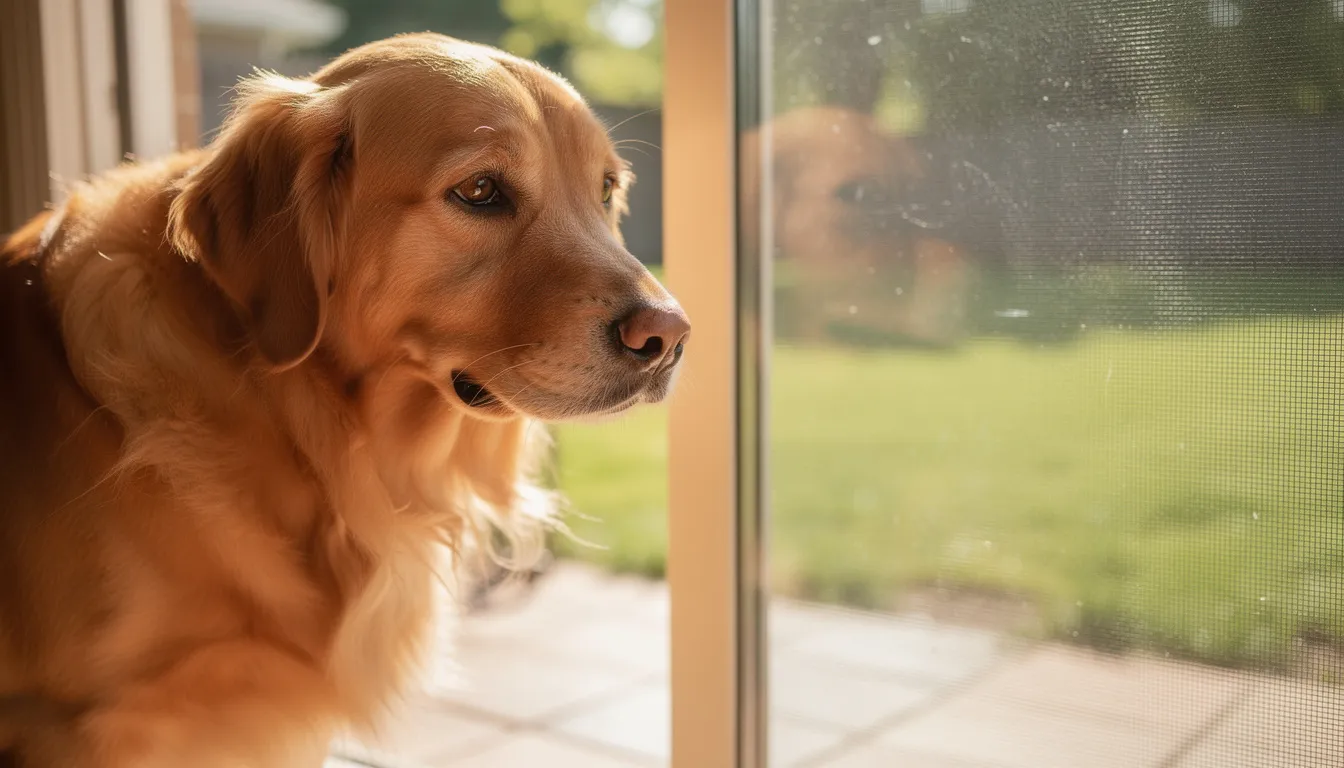
Pet-resistant screens use vinyl-coated polyester mesh engineered to withstand scratching, pawing, and occasional jumping. These screens can handle forces up to 400–700 pounds per square inch before failure, compared to fiberglass’s 50–70 pounds — making them approximately 7 times stronger overall.
The trade-off is that polyester and pet mesh use thicker strands and a tighter weave, resulting in a slightly more noticeable appearance. You’ll give up a small amount of visibility compared to standard mesh, but the durability gains are substantial. Many pet owners find this trade-off worthwhile after replacing torn fiberglass screens multiple times.
Polyester screens cost more upfront than fiberglass — typically $2.00–$4.00 per square foot versus $0.50–$1.00 — but often save money over time by preventing frequent re-screening and eliminating pet damage repairs.
Common use cases for pet-resistant mesh:
- Sliding screen doors leading to patios and balconies
- First-floor windows near decks or yards
- Rental units with pet policies
- Children’s rooms where screens may be bumped or pushed
- Pool enclosures and patio enclosures with high traffic
Screen Master Door & Window can recommend specific pet mesh options based on pet size and behavior, and can reinforce frames if necessary for very active animals as part of its specialized residential screen repair and upgrade services.
Stainless Steel Window Screen Material
Stainless steel mesh is a premium option offering high strength, long-term durability, and enhanced security for vulnerable openings. When standard insect screen isn’t enough to address your concerns, stainless steel delivers performance that other screens simply can’t match.
Stainless steel screens resist cutting, denting, and deformation far better than fiberglass or aluminum. They stand up exceptionally well to weather, coastal air, and frequent cleaning. With lifespans exceeding 20–30 years even in harsh conditions, stainless steel represents a long-term investment rather than a recurring expense.
Thicker-gauge stainless meshes can be incorporated into security screen systems that deter forced entry while still providing good ventilation and visibility. These screens withstand forces over 1000 pounds per square inch and resist vandalism, golf ball impacts, and determined pet claws.
Ideal applications for stainless steel screens:
- Ground-level windows on busy streets
- Side yards and alley-facing openings
- Windows accessible from porches or decks
- Light commercial doors where vandalism or impact is a concern
- Large openings requiring both ventilation and protection
The material costs significantly more than other screens — typically $5.00–$10.00 per square foot — and adds 20–30% more weight to frames. It’s best reserved for locations where protection and longevity outweigh the need for an absolutely “invisible” appearance.
Screen Master Plus can fabricate custom stainless steel screen assemblies in the field, tailored to specific window sizes, codes, and security requirements.
Copper-Bronze & Brass Window Screen Materials
Copper-bronze and brass screens are specialty, architectural materials chosen as much for appearance as for performance. If you own a period home in Los Angeles — whether Craftsman, Spanish Revival, or early mid-century — these metal screens can complement your home’s original character in ways that modern materials simply can’t.
These alloys are strong, resists rust, and last 25+ years with proper care. Over time, copper-bronze develops a distinctive patina (such as greenish verdigris) that enhances the warm, aged look favored in historic restorations. Brass maintains a brighter metallic sheen but still develops subtle character with exposure to elements.
Copper-bronze and brass screens provide good airflow and insect protection while adding a warm metallic tone visible from the exterior. The 90% copper-10% zinc alloy used in quality bronze screens ensures durability alongside visual appeal.
Where these materials work best:
- Front facades and street-facing windows on historic homes
- Decorative windows where finish details matter
- Architect-specified projects requiring period-accurate materials
- High-end custom homes prioritizing curb appeal
These meshes cost significantly more than standard fiberglass or aluminum — typically $4.00–$8.00 per square foot — so they’re usually reserved for prominent locations rather than every opening.
Screen Master Door & Window has experience matching and replacing specialty metal screens on older LA homes, helping preserve their original character while upgrading performance.
Solar Screen Materials (Sun & Heat Control)
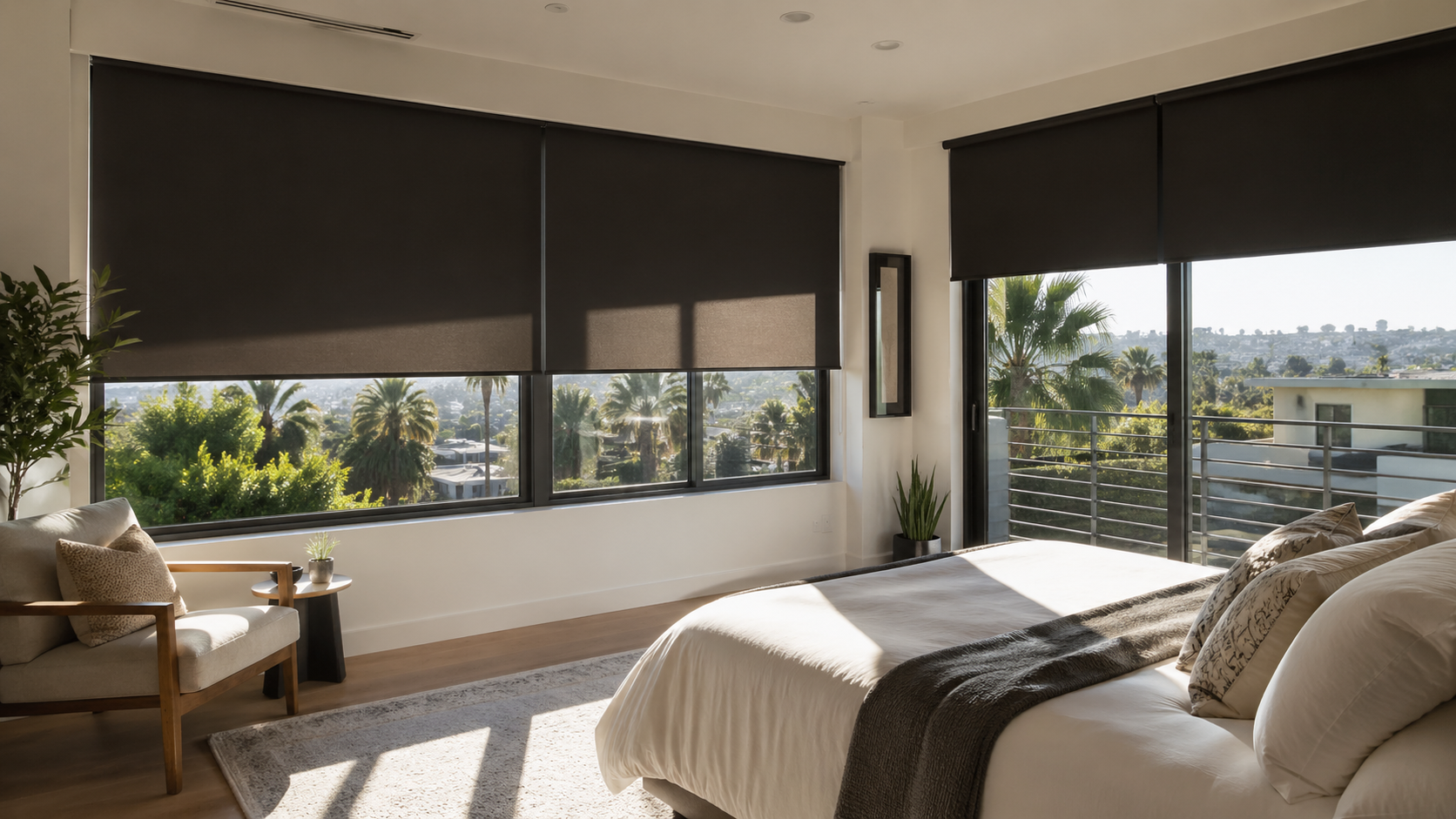
Solar screens use specially woven, often darker, synthetic mesh — commonly PVC-coated polyester — designed to block a significant percentage of solar heat and uv rays before they enter your home. For west- and south-facing windows in Los Angeles, solar mesh can make a dramatic difference in comfort and energy bills.
Quality solar mesh reduces UV exposure by 70–90%, protecting furniture, floors, and artwork from fading while lowering interior temperatures by 10–15°F on hot afternoons. Studies show solar screens can cut cooling costs by 25–30% annually in sunny climates — substantial savings for homes running air conditioning from May through October.
The trade-off is that solar screens slightly reduce natural light and outward visibility compared to standard insect screen. Very dense solar fabrics provide maximum heat control but create a darker indoor environment. Lighter solar meshes balance heat blocking with more natural light transmission.
Best applications for solar screens in LA:
- West- and south-facing windows with intense afternoon sun
- Large living room or office windows where glare on TVs and computer screens is problematic
- Bedrooms that overheat in summer
- Screen porches and enclosed patios exposed to direct sunlight
Solar mesh is available in several colors — typically dark browns, blacks, and grays — and Screen Master provides mobile solar window screen services across Los Angeles. Darker colors usually provide better glare control and a unified “shade” appearance from outside.
Screen Master Plus can custom-build exterior solar screens and sliding solar screen panels on-site, advising whether full-coverage solar mesh or a strategic mix of standard mesh and solar screens makes the most sense for your property.
Specialty Mesh Types: No-See-Um, Privacy & Allergy-Reducing Screens
| Frame Type | Durability | Maintenance | Ideal Application |
|---|---|---|---|
| Aluminum | High | Low | Modern homes, coastal areas |
| Vinyl | Moderate | Very Low | Budget or rental properties |
| Fiberglass | Moderate | Low | Everyday residential use |
| Wood | Varies | High | Decorative or heritage homes |
Beyond standard insect and solar meshes, specialty fabrics address very specific problems — tiny insects, privacy concerns, or improved air quality for allergy sufferers.
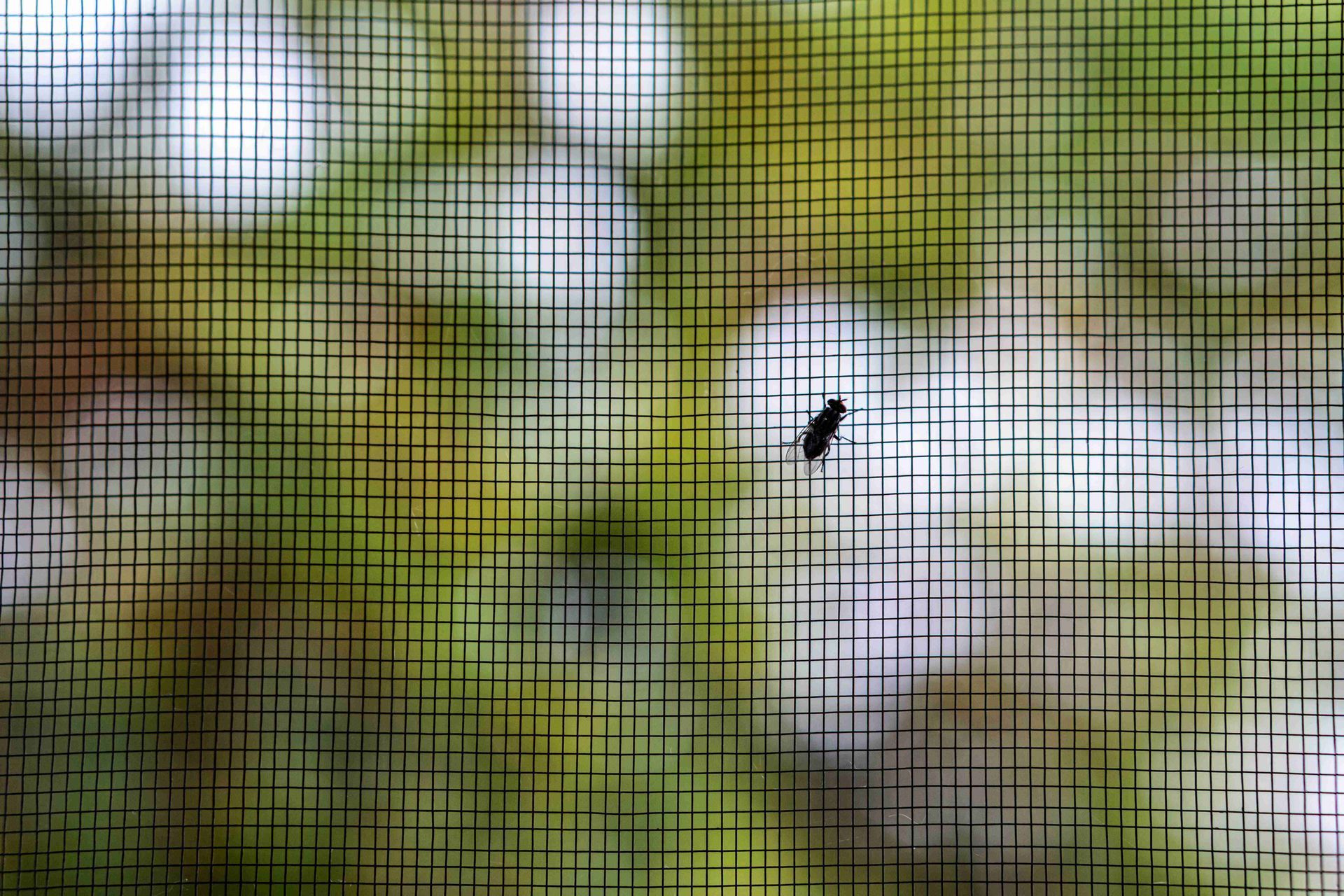
No-see-um screens use a tightly woven mesh (often fiberglass or polyester with a 20x20 thread count instead of the standard 18x16) designed to block small insects like gnats, midges, sand flies, and no see ums. These tiny pests can slip through standard mesh, making tighter weaves essential for certain coastal or hillside areas where miniature bugs are a persistent nuisance.
Privacy screens feature darker, often heavier meshes that reduce both outward and inward visibility during daylight hours. They’re excellent choices for ground-floor windows facing sidewalks, neighboring driveways, or multi-family buildings where you want fresh air without feeling exposed.
Allergy-reducing screens filter dust, pollen, and other fine particles more effectively than standard screen material, helping allergy sufferers who still want to enjoy letting fresh air into their homes during Southern California’s high-pollen seasons.
All of these specialty meshes slightly reduce airflow and light compared to regular insect screen, so they’re typically installed in targeted locations rather than on every window throughout a home.
Screen Master Door & Window can mix and match standard, solar, privacy, and no-see-um meshes across a single property to solve different types of problems room by room, offering window screen installation near you throughout Greater Los Angeles.
Screen Replacement: When and How to Upgrade Your Screens
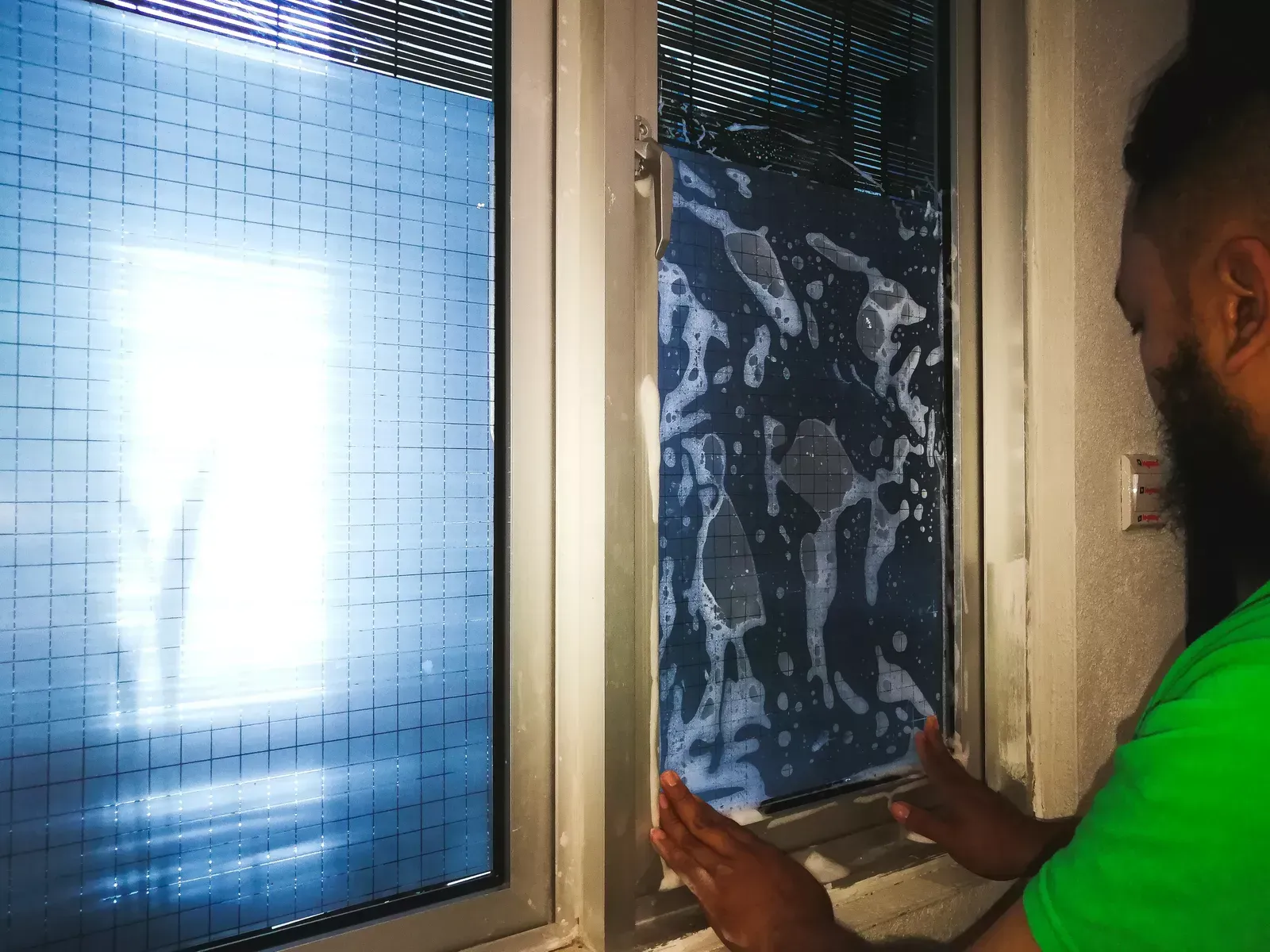
Over time, even the best window screens can show signs of wear—tears, sagging mesh, faded frames, or simply not keeping bugs out as effectively as they once did. Replacing window screens is a smart way to restore both the function and appearance of your windows and doors, ensuring your home or business stays comfortable and protected.
You should consider replacing window screens if you notice holes, fraying, or if the mesh has become brittle from sun exposure. Upgrading your screens can also be a great opportunity to switch to a more durable or specialized screen material, such as pet-resistant mesh or solar screens, to better suit your lifestyle and local climate.
When replacing window screens, it’s important to select the right screen material and mesh type for your specific needs—whether you want maximum visibility, extra strength, or improved energy efficiency. Professional installation guarantees a perfect fit and a clean, secure finish, so your new screens perform optimally for years to come. Investing in quality screen replacement not only enhances your property’s curb appeal but also helps maintain a healthy, bug-free indoor environment.
Commercial Screen Solutions for Los Angeles Businesses
For Los Angeles businesses, commercial window and door screens are more than just a finishing touch—they’re a practical investment in comfort, security, and energy efficiency. Commercial properties often require durable, low-maintenance solutions that can withstand high traffic and frequent use. With a wide selection of screen materials available, including fiberglass, aluminum, and stainless steel, businesses can choose custom screens tailored to their unique needs.
Custom screens are especially valuable for large openings, specialty windows, or architectural features that require a precise fit. Durable screen materials like stainless steel and heavy-duty aluminum offer long-lasting protection and resist damage in busy environments, while fiberglass screens provide excellent ventilation and visibility for offices, storefronts, and hospitality spaces.
Professional installation is essential for commercial screen projects, ensuring that every screen is securely fitted and built to last. Upgrading your business with quality window screens can help reduce energy costs, improve airflow, and create a more inviting atmosphere for employees and customers alike. Whether you need screens for a single entryway or an entire building, choosing the right materials and expert installation will deliver reliable performance and peace of mind.
Matching Screen Material to Your Window, Door & Location
Choosing the “best” screen material depends entirely on how each opening is used, its orientation, and who — or what — interacts with it daily. A material that works perfectly for a second-floor bedroom window may be completely wrong for a ground-floor patio door with an energetic Labrador.
General guidance for different types of situations:
| Situation | Recommended Material |
|---|---|
| Budget-conscious interior windows | Fiberglass |
| Higher-traffic areas or rentals | Aluminum or polyester |
| Homes with dogs or cats | Pet-resistant polyester mesh |
| Sun-exposed rooms facing west or south | Solar mesh |
| Security concerns or high-traffic areas | Stainless steel or heavy-duty polyester |
| Period homes requiring architectural accuracy | Copper-bronze or brass |
| Areas with tiny insects | No-see-um mesh |
| Ground-floor windows near public spaces | Privacy mesh |
Climate factors also matter in Greater Los Angeles. The San Gabriel Valley experiences intense summer sun that demands solar solutions. Beach-adjacent neighborhoods deal with coastal humidity that favors corrosion-resistant aluminum or stainless steel. Properties near major freeways may benefit from denser meshes that filter dust and particles along with keeping bugs out.
Screen Master Plus can perform on-site assessments across the Greater Los Angeles Area, recommending a tailored combination of materials to balance comfort, protection, and budget for your specific situation.
How Screen Master Door & Window Can Help (Greater Los Angeles)
Screen Master Door & Window (Screen Master Plus) is a mobile, on-site screen fabrication and installation service based in Rosemead, serving residential and commercial clients across Greater LA. With over 20 years and three generations of experience, the company understands the unique challenges of local conditions, building styles, and HOA requirements across neighborhoods from Pasadena to Long Beach and from West LA to the San Fernando Valley.
Core services relevant to window screen technology and material choices:
- Custom window and door screens in all major mesh types
- Sliding screen door repair and window screen replacement
- Pet-resistant mesh upgrades for doors and low windows
- Solar screens for heat and glare control
- Security-focused stainless steel screen solutions
- Frame repair and complete custom screens for non-standard openings
- Specialty materials including no-see-um, privacy, and allergy-reducing meshes
The company brings a full mobile workshop to your property, allowing most projects to be measured, built, and installed in a single visit. All screens are USA-made with a wide selection of materials and colors, backed by warranty for lasting peace of mind.
Whether you’re replacing window screens throughout an entire home, upgrading a single patio door with pet mesh, or adding solar screens to reduce summer cooling costs, professional installation ensures proper fit and long-term performance.
Ready to upgrade your screens? Call (323) 313-8167 for a free quote or to schedule same-week mobile service anywhere in the Greater Los Angeles Area.
Conclusion and Final Thoughts
Window screens are a simple yet essential part of maintaining a comfortable, healthy, and energy-efficient environment in any Los Angeles home or business. With a variety of window screen materials to choose from, you can find the perfect balance of durability, visibility, and ventilation to suit your needs and style.
Regular maintenance and professional installation are key to ensuring your window screens perform at their best, providing long-lasting protection and enhancing your property’s appearance. By carefully considering factors like screen material, mesh type, and the specific demands of your space, you can make informed decisions that add value and comfort to your property.
Whether you’re replacing worn-out screens, upgrading to custom solutions, or installing new screens for the first time, partnering with a trusted provider ensures you get high-quality products and expert service. Enjoy the benefits of window screens—improved airflow, reduced energy costs, and a more beautiful, bug-free space—by choosing the right solutions for your home or business.
Frequently Asked Questions
Which window screen material lasts the longest in the Los Angeles climate?
Stainless steel and high-quality aluminum meshes generally provide the longest service life in LA because they resist UV degradation, heat, and coastal moisture better than fiberglass. Stainless steel can last 20–30 years with minimal maintenance, while quality aluminum typically performs well for 10–15 years. Fiberglass remains durable for many years in moderate conditions but is more prone to stretching and tearing over time. Premium polyester and pet mesh offer an excellent middle ground of strength, longevity, and cost for homeowners who need extra strength without the full investment in stainless steel.
Is solar screen mesh worth it if I already have low-E glass?
Low-E glass reduces heat transfer through the glass itself, but solar screens add another layer of protection by blocking solar heat and glare before they even reach the window surface. This combination is especially effective on west- and south-facing windows that receive intense late-afternoon sun. Many LA homes see noticeably cooler rooms and reduced glare on screens and monitors when solar screens supplement existing low-E windows. The dual approach also extends furniture and flooring life by blocking more harmful uv rays than either solution alone.
Will pet-resistant screen affect how well I can see outside?
Pet mesh uses thicker strands and a tighter weave than standard fiberglass, so it does appear slightly darker and more visible up close — especially on large doors and unobstructed views. However, most homeowners adjust quickly to the subtle difference and find the trade-off worthwhile for the dramatic reduction in torn screens and repair costs. The visibility difference is most noticeable when standing directly at the screen; from a few feet back, pet mesh still provides good ventilation and reasonable clarity.
Can I mix different screen materials on the same house?
Mixing materials is common and often the smartest approach for addressing different needs throughout a property. For example, you might use standard fiberglass on upper floors where durability isn’t a concern, pet mesh on sliding doors and low windows, and solar mesh on a few sun-facing windows causing overheating problems. A professional installer can match frame colors across different mesh types so the overall appearance from the street remains cohesive. This targeted approach lets you optimize each opening without overspending on premium materials where they aren’t necessary.
Do specialty meshes like no-see-um or allergy screens reduce airflow too much?
Tighter-weave meshes inevitably restrict some airflow compared to standard insect screen — that’s the physics of pushing air through smaller holes. However, these specialty products are engineered to maintain reasonable ventilation while improving insect or particle blocking, typically reducing airflow by 10–20% rather than eliminating it entirely. The practical approach is to use these specialty meshes primarily on problem windows — those facing heavy pollen sources, tiny insect breeding areas, or needing enhanced privacy — while keeping standard mesh elsewhere to balance overall comfort and performance throughout your space.
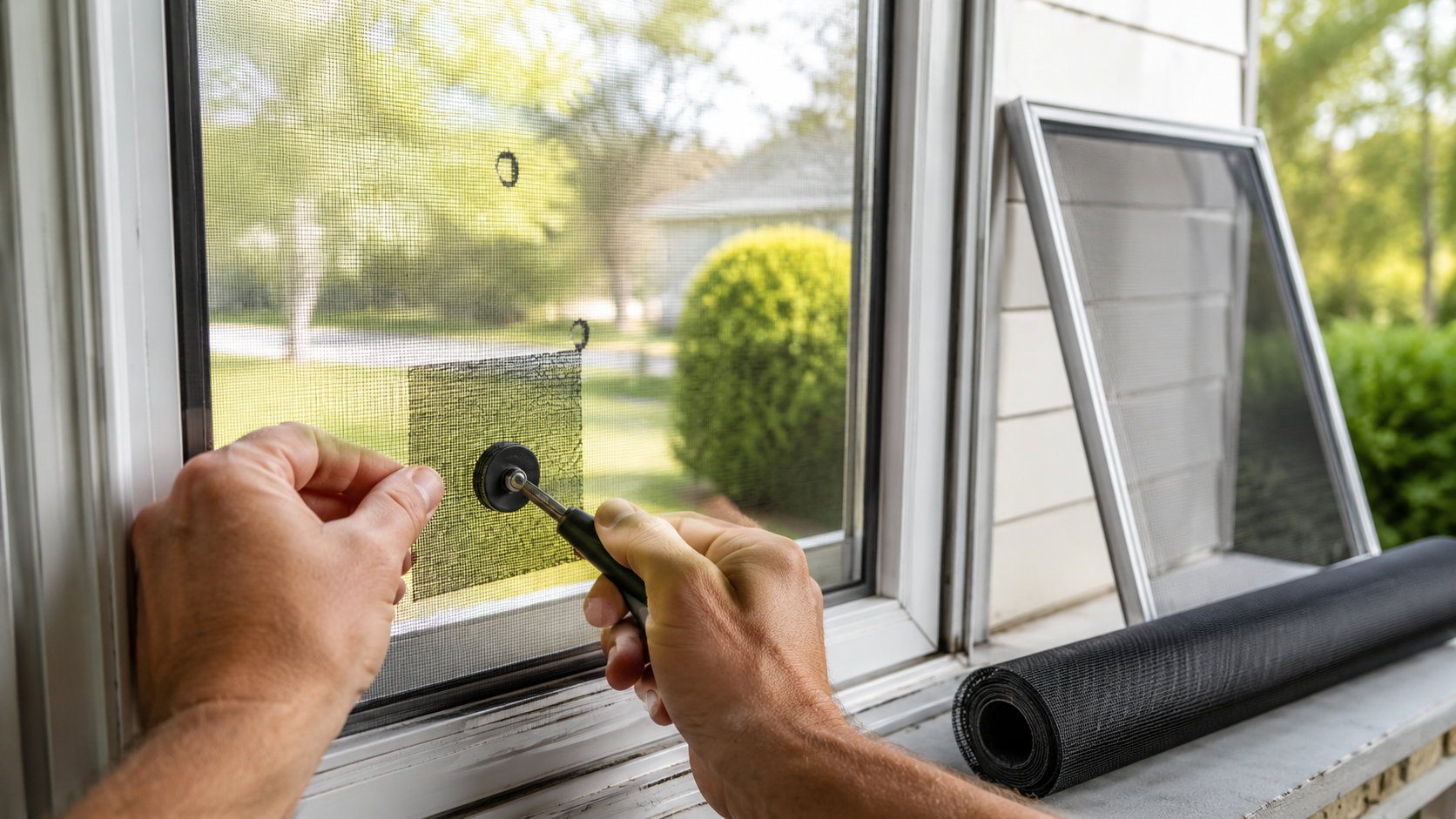
Holes in Window Screens: Quick Fixes, Long-Term Solutions & When to Call Screen Master Door & Window